
 This is where things go wrong. Realistically, to pass amazing progressive laws that benefit a people, one need not be popular or liked. One must be competent. To serve the people best, lawmakers should be the best of us.
The best among us our politicians are not.
No sane person says democracy is perfect. So how do we change the system so that politicians can behave like humans while the population still gets legislation made that serves it best?
Trusted Expert Politicians Needed
One aspect I discuss in my writings and my book is we need to have a system that elects leaders in their respective fields. A politicians’ job can vary depending on its duties. Some lawmakers focus on housing, some on education, budget, fisheries and so on. We citizens demand best results from these people, but we elected them from campaigns that feel more like popularity contests from high school than serious debates. We want our lives improved upon and our taxes spent wisely. We want to enjoy support programs that help keep us active in our communities and take care of us when we’re down on our luck. If we knew our elected officials were the best of the best, in their area of legislative responsibility, perhaps we’d trust them to do the best job possible without blinking.
Do we constantly doubt our dentist when we get a checkup? Do we doubt our accountant after he or she filed our taxes? Not so much.
If we could have the best lawmakers serving us, paid by our tax dollars, we should have the same level of confidence. But how?
Outdated System
First, do we still need a representative for each geographical area in this age of hyper-connectivity? The principle that we need to elect one of us to represent a whole group of people to speak on our behalf in the age of social media is laughable. We can speak for ourselves. Too much information and feedback from a region’s population to sift through by staffers? No problem, artificial intelligence is there to analyze and extract valid information about every house, every street, all demographics for each area of the nation in a heartbeat, summarized in a daily/weekly/monthly report for ministries at all levels of government to digest and act upon.
Why would we be content with assuming a single person in an area would know us and what we need more than what we can write, dictate and record through text, video or voice messages online? Local representation is an outdated tradition.
This is where things go wrong. Realistically, to pass amazing progressive laws that benefit a people, one need not be popular or liked. One must be competent. To serve the people best, lawmakers should be the best of us.
The best among us our politicians are not.
No sane person says democracy is perfect. So how do we change the system so that politicians can behave like humans while the population still gets legislation made that serves it best?
Trusted Expert Politicians Needed
One aspect I discuss in my writings and my book is we need to have a system that elects leaders in their respective fields. A politicians’ job can vary depending on its duties. Some lawmakers focus on housing, some on education, budget, fisheries and so on. We citizens demand best results from these people, but we elected them from campaigns that feel more like popularity contests from high school than serious debates. We want our lives improved upon and our taxes spent wisely. We want to enjoy support programs that help keep us active in our communities and take care of us when we’re down on our luck. If we knew our elected officials were the best of the best, in their area of legislative responsibility, perhaps we’d trust them to do the best job possible without blinking.
Do we constantly doubt our dentist when we get a checkup? Do we doubt our accountant after he or she filed our taxes? Not so much.
If we could have the best lawmakers serving us, paid by our tax dollars, we should have the same level of confidence. But how?
Outdated System
First, do we still need a representative for each geographical area in this age of hyper-connectivity? The principle that we need to elect one of us to represent a whole group of people to speak on our behalf in the age of social media is laughable. We can speak for ourselves. Too much information and feedback from a region’s population to sift through by staffers? No problem, artificial intelligence is there to analyze and extract valid information about every house, every street, all demographics for each area of the nation in a heartbeat, summarized in a daily/weekly/monthly report for ministries at all levels of government to digest and act upon.
Why would we be content with assuming a single person in an area would know us and what we need more than what we can write, dictate and record through text, video or voice messages online? Local representation is an outdated tradition.
 We can do so much better using simple established technology.
Aside from local representatives, our democratic political system is outdated in other ways. In North America, the winning candidate in an election is most often the candidate that has raised. The most popular candidate wins because he or she had more money to spend on advertising and cross-country travel. Since these politicians have our lives in their hands once they get into office, so we want to get a good feel for them. On the other hand, it bothers you too that the amount of donor money wins the race. One wonders what the politician will owe donors once they win the race. We must also take money out of the equation. No campaigning. We want the best of the best, not the most marketable or worse, the most sellable candidate.
If there is no campaigning and no fundraising, how will we choose the candidates?
Honestly, each one of us knows some of the best candidates to lead the charge on legislating in different fields of interests. If you are a farmer, you probably know a lawmaker that specializes in rural areas or farming. If not, you know where to find this person. If you are a doctor, you know who the best-qualified person may be to legislate or consult on healthcare reform. That’s because they are in your fields of interest. These expert individuals may not desire a political career, but if many in an industry agree who the best of them is, how can the rest of the nation, occupying other unrelated jobs know. Those who know the best politicians are most often other politicians or staff working alongside them.
What if experts in different fields could nominate the best among them to take certain political positions with specific areas of responsibility (budget, farming, healthcare, housing, etc.). Then among the nominated candidates, the experts in the field altogether could determine who in the short list would do the best job, right? Would you ask an office manager who is the best doctor of the land, or would you ask that question to other doctors? We’d ask doctors to find their best, and the office managers to find the best among them. We can certainly use votes to determine who is the best expert in each field, but only those who have experience in the same fields would vote.
Then, what if the chosen are the best among us, and set to task as our new lead politicians, to legislate for no more than 4 years?
Their peers and the general population would respect the winners of those elections. Most adult citizens would have a vote for one or several candidates depending on their own areas of expertise, but not all.
One Person, One Vote, But Different
While a great idea of fairness, we know for a fact that the one person, one vote democratic idea gives us mediocre results. It helps us prevent terrible disasters, but we always end up with a “not great” leader. We all want to participate and have a say in who will lead our government. It’s a nice sentiment, but we know what results we will get: unqualified individuals that do their best to legislate but will often act for their political self-preservation too.
We can do so much better using simple established technology.
Aside from local representatives, our democratic political system is outdated in other ways. In North America, the winning candidate in an election is most often the candidate that has raised. The most popular candidate wins because he or she had more money to spend on advertising and cross-country travel. Since these politicians have our lives in their hands once they get into office, so we want to get a good feel for them. On the other hand, it bothers you too that the amount of donor money wins the race. One wonders what the politician will owe donors once they win the race. We must also take money out of the equation. No campaigning. We want the best of the best, not the most marketable or worse, the most sellable candidate.
If there is no campaigning and no fundraising, how will we choose the candidates?
Honestly, each one of us knows some of the best candidates to lead the charge on legislating in different fields of interests. If you are a farmer, you probably know a lawmaker that specializes in rural areas or farming. If not, you know where to find this person. If you are a doctor, you know who the best-qualified person may be to legislate or consult on healthcare reform. That’s because they are in your fields of interest. These expert individuals may not desire a political career, but if many in an industry agree who the best of them is, how can the rest of the nation, occupying other unrelated jobs know. Those who know the best politicians are most often other politicians or staff working alongside them.
What if experts in different fields could nominate the best among them to take certain political positions with specific areas of responsibility (budget, farming, healthcare, housing, etc.). Then among the nominated candidates, the experts in the field altogether could determine who in the short list would do the best job, right? Would you ask an office manager who is the best doctor of the land, or would you ask that question to other doctors? We’d ask doctors to find their best, and the office managers to find the best among them. We can certainly use votes to determine who is the best expert in each field, but only those who have experience in the same fields would vote.
Then, what if the chosen are the best among us, and set to task as our new lead politicians, to legislate for no more than 4 years?
Their peers and the general population would respect the winners of those elections. Most adult citizens would have a vote for one or several candidates depending on their own areas of expertise, but not all.
One Person, One Vote, But Different
While a great idea of fairness, we know for a fact that the one person, one vote democratic idea gives us mediocre results. It helps us prevent terrible disasters, but we always end up with a “not great” leader. We all want to participate and have a say in who will lead our government. It’s a nice sentiment, but we know what results we will get: unqualified individuals that do their best to legislate but will often act for their political self-preservation too.
 As described above, we can have a system where people get a say in who gets to lead our government in all its aspects, and if done logically, we could get amazing results.
If we select individuals to serve us with no campaigning, no fundraising and there is a defined static term of office, we could get fantastic results and swiftly get things done for our society, whether the legislation is popular with us. Remember, if we put the true experts in charge, sometimes they’ll put legislation in place that will temporarily hurt part of the population, but it’ll always be for the greater good and the long-term prosperity of the nation and its citizens.
No Parties Needed
Notice also that I did not mention political parties or affiliations so far. That’s because we need none. Electing the best experts among us means we’re electing individuals, not parties. Now each nominated candidate will have a left, centrist or right penchant, but we elect them based on qualifications and need within their specific field. The best for education one cycle may mean a progressive system-changer with 40 years experience creating new curriculum because now is the time to modernize the education system. The best in economics may be a left-leaning socialist because, for the next 4 years, we need more social programs established in the nation to support the poor. We would elect each individual political leader based on competence and ideology.
The, using online platforms we could easily connect with the political experts and provide these individuals with valuable information about what’s going on in our communities and our lives, knowing they are the best candidates are in there to help us out. The candidates have no dues to give back to whoever voted for them, nor do they need to spend half their time fundraising for their next term of office. We would trust them because we know they didn’t ask for the job. We gave them the privilege to serve and the huge responsibility to do what is right. And then, they will be judged by their results after their term is up.
We need to think about remaking our democratic political system as soon as possible. Patching it up and arguing about it makes no sense. We know the system still lives in the early 20th century at most. Time for a modernized way of doing things.
We deserve better and we can make a better, less costly system if we have the courage to change.
As described above, we can have a system where people get a say in who gets to lead our government in all its aspects, and if done logically, we could get amazing results.
If we select individuals to serve us with no campaigning, no fundraising and there is a defined static term of office, we could get fantastic results and swiftly get things done for our society, whether the legislation is popular with us. Remember, if we put the true experts in charge, sometimes they’ll put legislation in place that will temporarily hurt part of the population, but it’ll always be for the greater good and the long-term prosperity of the nation and its citizens.
No Parties Needed
Notice also that I did not mention political parties or affiliations so far. That’s because we need none. Electing the best experts among us means we’re electing individuals, not parties. Now each nominated candidate will have a left, centrist or right penchant, but we elect them based on qualifications and need within their specific field. The best for education one cycle may mean a progressive system-changer with 40 years experience creating new curriculum because now is the time to modernize the education system. The best in economics may be a left-leaning socialist because, for the next 4 years, we need more social programs established in the nation to support the poor. We would elect each individual political leader based on competence and ideology.
The, using online platforms we could easily connect with the political experts and provide these individuals with valuable information about what’s going on in our communities and our lives, knowing they are the best candidates are in there to help us out. The candidates have no dues to give back to whoever voted for them, nor do they need to spend half their time fundraising for their next term of office. We would trust them because we know they didn’t ask for the job. We gave them the privilege to serve and the huge responsibility to do what is right. And then, they will be judged by their results after their term is up.
We need to think about remaking our democratic political system as soon as possible. Patching it up and arguing about it makes no sense. We know the system still lives in the early 20th century at most. Time for a modernized way of doing things.
We deserve better and we can make a better, less costly system if we have the courage to change.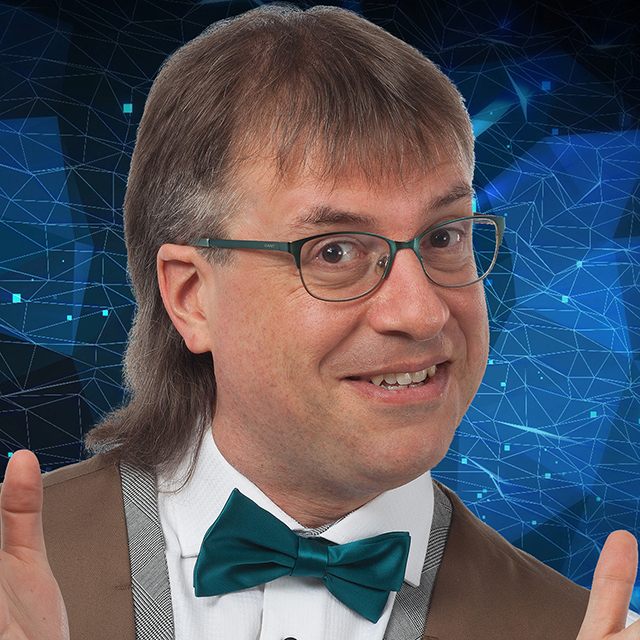
Sylvain is an international keynote speaker, futurist, entrepreneur and author of the non-fiction book "Engineering Paradise: Are You Ready?". As an entrepreneur, he supports and runs entertainment technology, digital media and international infrastructure funding businesses with multiple partners from around the world. He has a bachelors degree in biochemistry, chemical engineering and education from the University of Ottawa, Canada, has taught from high school to university for over 20 years and has been public speaking for over 12 years. In addition, he currently is a delegate of the World Future Society, a principle at the Canadian Institute of Mass Communication and is a Certified Master Entrepreneur Facilitator & Coach. His passion is now writing and speaking about how artificial intelligence will completely change our society and our economy through articles, other publications and other media formats like video and podcasts.