Hospitals worldwide are struggling to keep up with the massive amount of patients. On top of this, various countries have new legislation aimed at mandating higher standards of care in hospitals. Norway, for example, mandates that blood products must reach wards within 15 minutes. Similar legislation is going across the world that also affects hospitals more indirectly. In Colombia, the INVIMA, which is an equivalent to the US’s FDA, is seeing massive reforms that would affect legislation around drugs. Consequently, hospitals would need to review what systems they have in place and adapt to these new changes.
While these directives certainly improve patient care experiences, they also place tremendous pressure on healthcare staff. This pressure is only expected to worsen due to an ongoing healthcare staff shortage and an aging worldwide population.
Upgrading the Tech Infrastructure Makes all the Difference
The best way to keep the standard of care high while the number of patients keeps growing is to upgrade infrastructure. It is estimated that as much as 84.5% of nursing staff complain of physical pain and 70% report feeling stressed. With a more robust infrastructure supporting them, these workers may feel partially alleviated both physically and mentally. Upgraded infrastructure would also allow hospitals to more easily live up to these regulatory expectations and allow healthcare workers to truly hone in on patient care. One infrastructure upgrade that is regarded as particularly helpful is pneumatic tubes. A pneumatic tube system would be both an efficient and easy-to-learn upgrade for healthcare workers to benefit from.
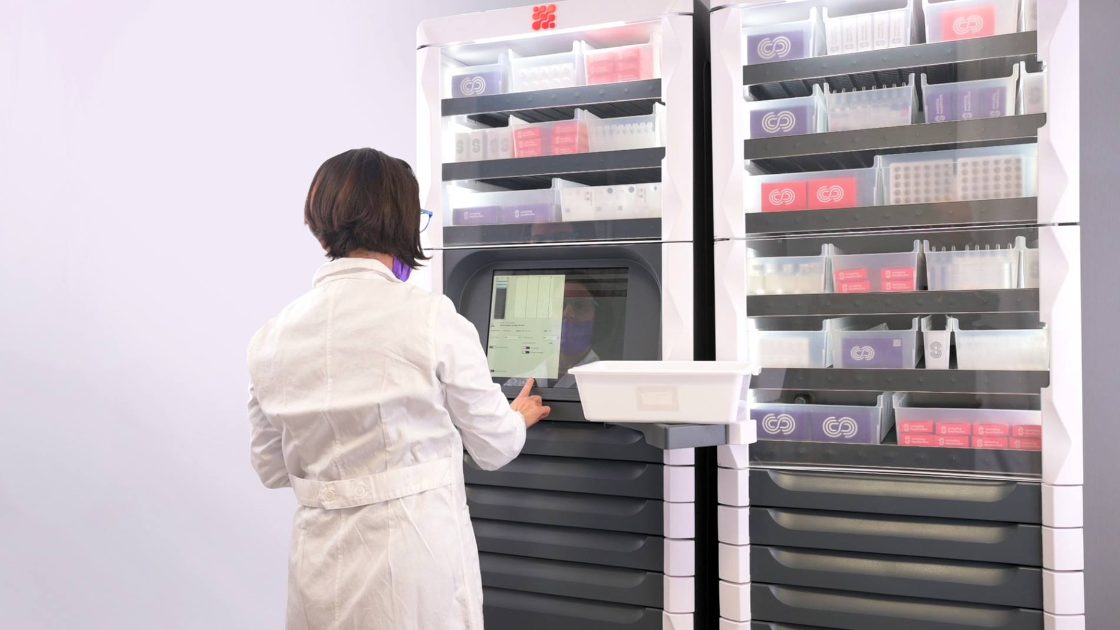
This system is not as primitive as the one you might’ve seen at a bank. Firstly, a healthcare worker must swipe their badge to open the system interface. After that, the healthcare worker is able to load the tube with paperwork or hospital products and choose the tube’s destination via an intuitive touchscreen to choose the destination for the tube. The tube is then optimally routed and tracked in real-time. This is made possible with the RFID technology in the tube and delivery management software. Once the tube reaches the intended destination, it is only accessible by another healthcare worker swiping their badge. This software will even give you a heads up on looming maintenance issues and provide remote monitoring alerts for convenience.
Bringing it All Together
With a pneumatic tube system in place, it is estimated that hospitals easily manage over 10,000 drug deliveries and save more than 25 minutes transporting blood products across a facility. This is true with documents as well, as documents via pneumatic tube are delivered 700% faster than with a human carrier. Using a tube both saves time on delivery and delivers it in a much safer manner compared to delivery via human carrier. This is due to the fact that the sent hospital item spent less time being handled by a person and has less bacteria on the item itself. Fundamentally, the influx of aging patients means that hospitals need new tools to stay on top of patient care. By implementing pneumatic tubes, hospitals can more easily, efficiently, and safely transport hospital products or paperwork.
Frequently Asked Questions
What are hospitals required to do under new healthcare legislation?
Hospitals worldwide face new legislation mandating higher standards of care. For example, Norway requires blood products to reach wards within 15 minutes, and countries like Colombia are implementing reforms affecting drug legislation that hospitals must adapt to.
What percentage of nurses report physical pain and stress?
According to the article, 84.5% of nursing staff complain of physical pain and 70% report feeling stressed due to high patient volumes and staffing pressures.
How can hospitals upgrade their infrastructure to support staff?
Upgrading hospital technology infrastructure, particularly pneumatic tube systems, can help alleviate physical and mental strain on healthcare workers while enabling them to focus on patient care and meet regulatory requirements.
How does a pneumatic tube system work in hospitals?
Healthcare workers swipe their badge to access the system, load items like paperwork or medications into the tube, select the destination via touchscreen, and the tube is routed and tracked in real-time using RFID technology and delivery management software. Only another badged worker can access it at the destination.
What are the benefits of using pneumatic tubes for hospital deliveries?
Pneumatic tube systems can handle over 10,000 drug deliveries and save more than 25 minutes transporting blood products across facilities. Documents are delivered 700% faster than by human carrier, while reducing bacterial contamination since items spend less time being handled.
Why is there increased pressure on healthcare workers?
Healthcare workers face pressure from hospitals struggling with massive patient volumes, combined with a global healthcare staff shortage and an aging worldwide population expected to worsen the situation.

Brian Wallace is the Founder and President of NowSourcing, an industry leading content marketing agency that makes your complexity simple, visual, and influential. Brian has been named a Google Small Business Advisor for 2016-present, joined the SXSW Advisory Board in 2019-2022 and became an SMB Advisor for Lexmark in 2023. He is the Founder of Innovate Summit, a biannual global summit in Louisville and Nashville.