

The lack of human interaction may find the solution in a robotics laboratory.
 Copyright: pixelbliss[/caption]
Loneliness has always been the plague of too many, and the COVID-19 pandemic has only deepened this painful emotional state. Media reports and medical articles tell us that loneliness will be the reason for more deaths than in decades before.
The causes of loneliness are many, and the solutions may not be readily available. This, then, is where some scientists saw an opportunity for robotics to play a significant role in allaying loneliness in some people.
 Copyright: Anton Gvozdikov[/caption]
The Breakthroughs in Robotics
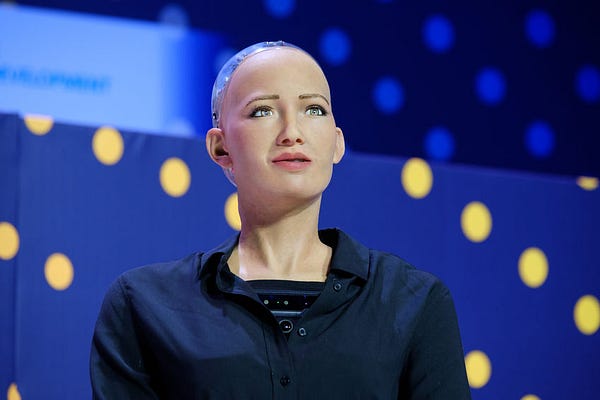
Artificial intelligence, along with advances in robotics, has produced products already on the market. These items have primarily been in the utilitarian area, such as cleaning, maintaining inventory, fulfilling orders, or manufacturing. One area stands out; personal robots. These new robots are not exactly for cleaning but companionship for the lonely.
The initial robots were thought to have a lucrative market for lonely males who wanted female companionship. Order whatever type of robotic female you want, program what she says, and dress her as you will, “she” was always available, and men began to take them for walks or shopping.
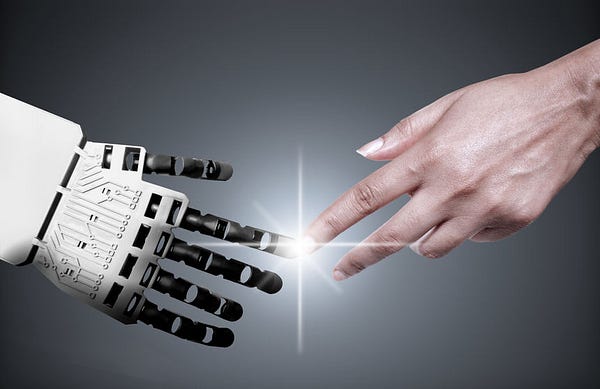
One advance has been to give robots a sense of touch, which would increase their similarity to humans. The original work was begun in rehabilitation to provide a sense of touch for those needing prosthetics, but it has now advanced to new applications.
Even a social sense of touch, appropriate for the interaction, is now being incorporated into new robotic units.
The Robot for the Lonely
Four engineers at a Japanese university have made an initial foray into the loneliness factor with a rudimentary “arm” that not only senses touch but can emit the scent of a girlfriend.
With increasing advances in technology, as in all other manufacturing areas, the cost of these robots will decrease in price and increase in availability. New “microprocessors” have been discovered in our brains. These will undoubtedly lead to new gains in the area of robotics.
Along with the emergence of AI chatbots, the inclusion of a comforting hand, and a familiar and reassuring scent, robots may assume a place in our culture. The question remains for whom will they be available, and will the lonely and impoverished be offered their services.